Product Designer, Front-end Engineer
Front-End Engineering, UI / UX, Mobile, User Research, User Interviews, User Testing
Figma, Xcode, Cursor, Midjourney
FW25
Animo is an AI-powered running app that interprets your current emotions to generate a personalized route, tailored to cultivate joy.
Project Role
The research part of this project was conducted with Leo Song, Michelle Heo, and Monica Fang
01. Conducted user interviews and analyzed needs to identify barriers runners face.
02. Translated research insights into solutions, ensuring the UI/UX felt joyful and intuitive as the core value proposition.
03. Mapped out entire user journey, from initial emotional input to final route generation. Created interactive flows that validated the AI's role in the experience.
04. Moved beyond static designs by developing a fully functional front-end in SwiftUI, transforming an idea into production-ready iOS implementation.
Introduction
Problem
A Note
The Result
Runners don't feel understood by the products they depend on. This disconnect between product and person creates friction in an activity that should feel natural and empowering.
Findings
Emotional Support
Human beings crave emotional support, but in sports and athletics, numbers and data are often prioritized over how athletes actually feel.
The Gap
AI hasn't bridged this gap yet. It's still seen as a robotic, analytical tool, not something capable of providing genuine emotional support.
Opportunity
Could technology be designed to feel more human, offering both performance insights and the emotional connection runners need?
Solution
Captures runner preferences to create a truly personalized, understanding experience.
Lets runners share how they feel, not just what they want to achieve.
Displays an AI-generated run tailored to the runner's mood and preferences.
Initial Research
AI Research
Emotional Support
People are increasingly choosing to engage with AI over real human connection. A trend that raises concerns about the health of these relationships.
“People rely on ChatGPT too much"
-Sam Altman
AI as a Tool
AI should be a tool that helps people create and experience joy in their lives, not the source of joy itself.
Insight
AI in the current day raises many concerns and potential dangers. How can we utilize AI in ways that enhance human experiences rather than diminish it?
Running Research
Motivations
Runners are primarily motivated by enjoyment and stress management, rather than performance or social factors.
A Barrier
Boredom is a significant barrier during cardio exercise. Tt correlates with lower self-control and makes workouts feel longer, creating a cycle that's difficult to break."
Insight
Runners need much more than just performance tracking. They need support in maintaining enjoyment and managing the mental fatigue that leads to boredom and burnouts.
User Interviews
Remote Interviews



7 remote interviews with runners across diverse backgrounds and experience levels, guided by a comprehensive research plan.
Affinity Mapping
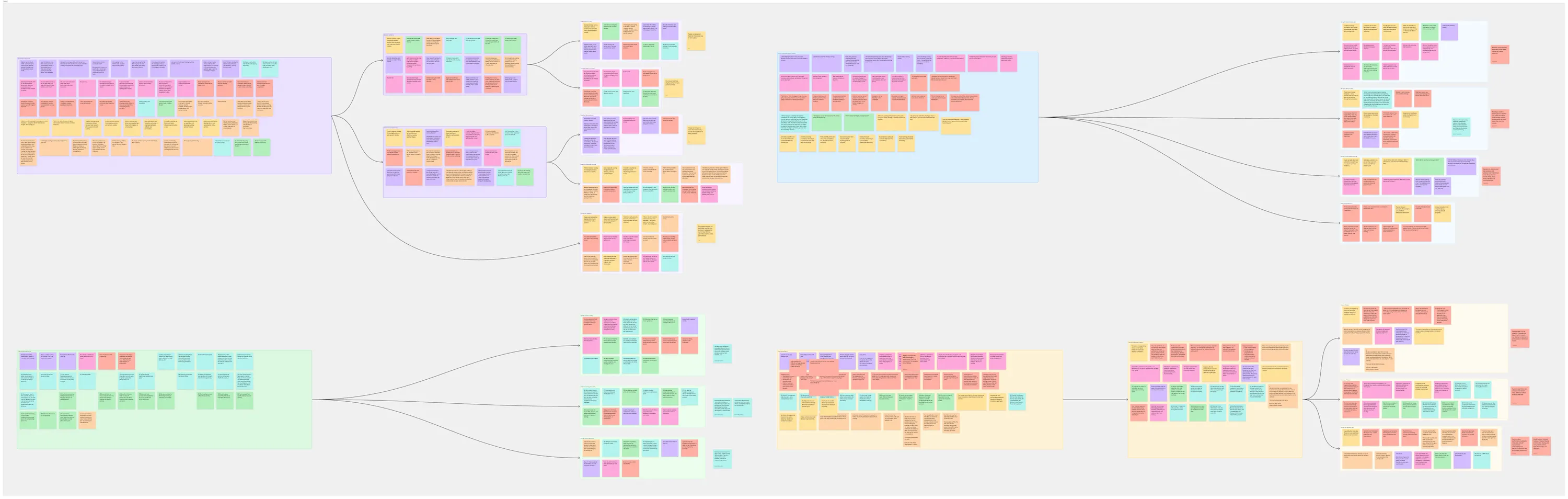
Affinity mapped interview insights to identify patterns and group similar findings, revealing key themes around runner motivation and challenges.
Final Takeaways
Emotion > Numbers
Runners stay consistent when they feel emotionally rewarded, not just when they hit their numbers. Without that sense of satisfaction or excitement, it's hard to keep going.
Craving Human Connection
Data alone doesn't motivate runners. They want support that feels human—encouragement that understands how they're feeling, not just how fast they're going.
The Need for Variety
Scenery and exploration are huge motivators, but finding fresh, inspiring routes is a challenge. Runners crave variety to keep the experience from feeling stale.
Opportunity Statement
Opportunity Statement
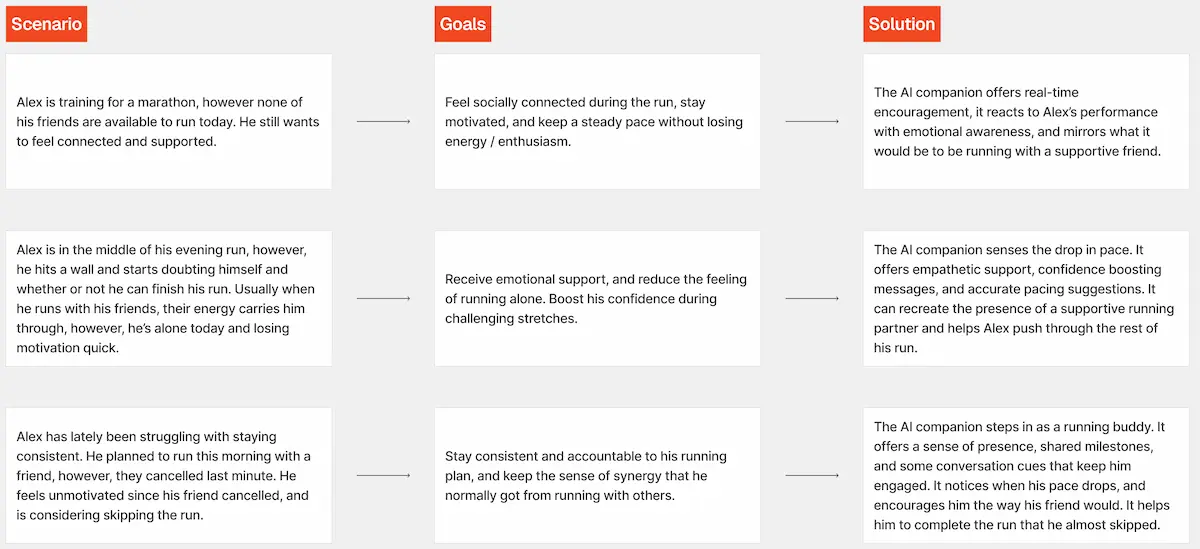
User & Scenarios
User Ideation
Behavioral Continuum
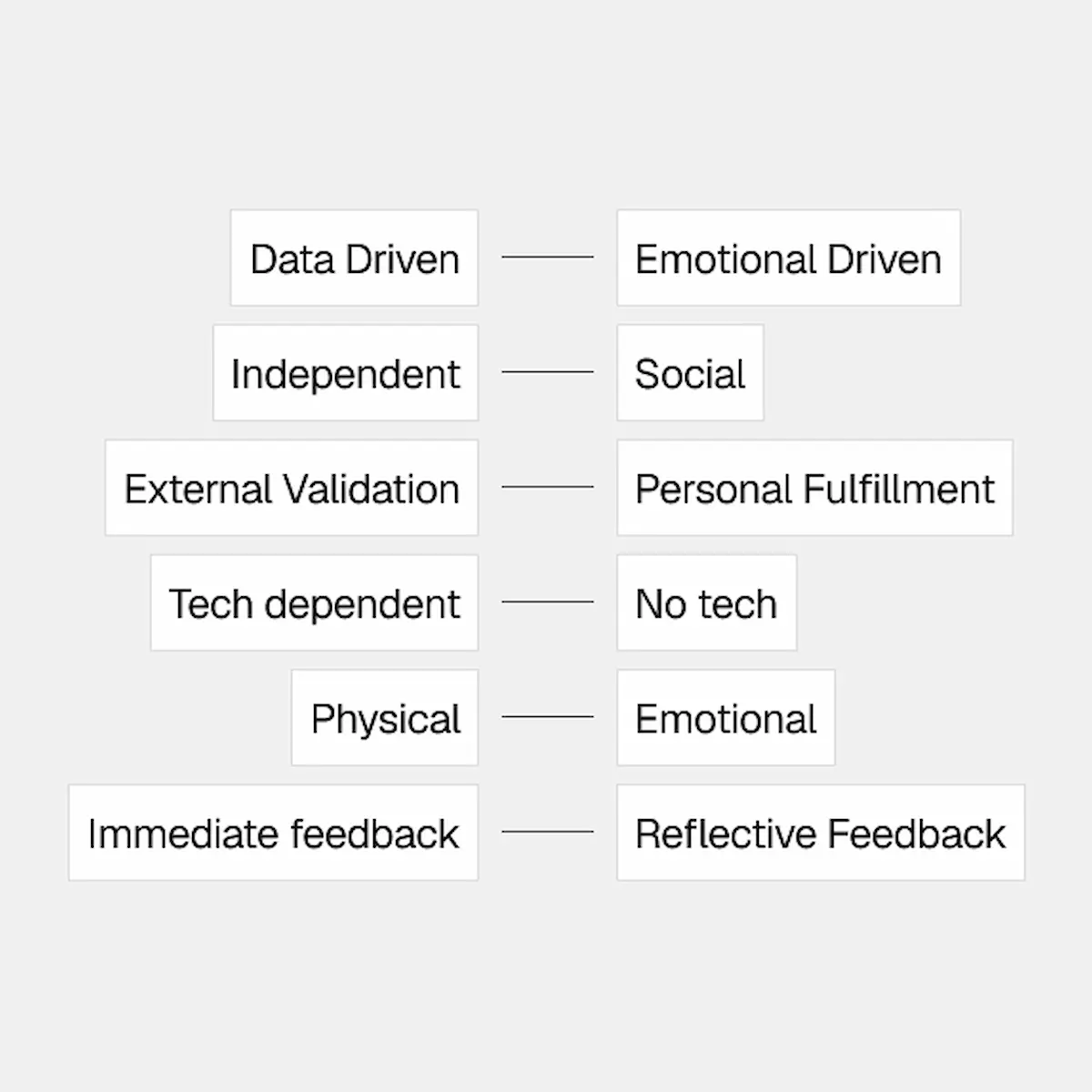
Matrix
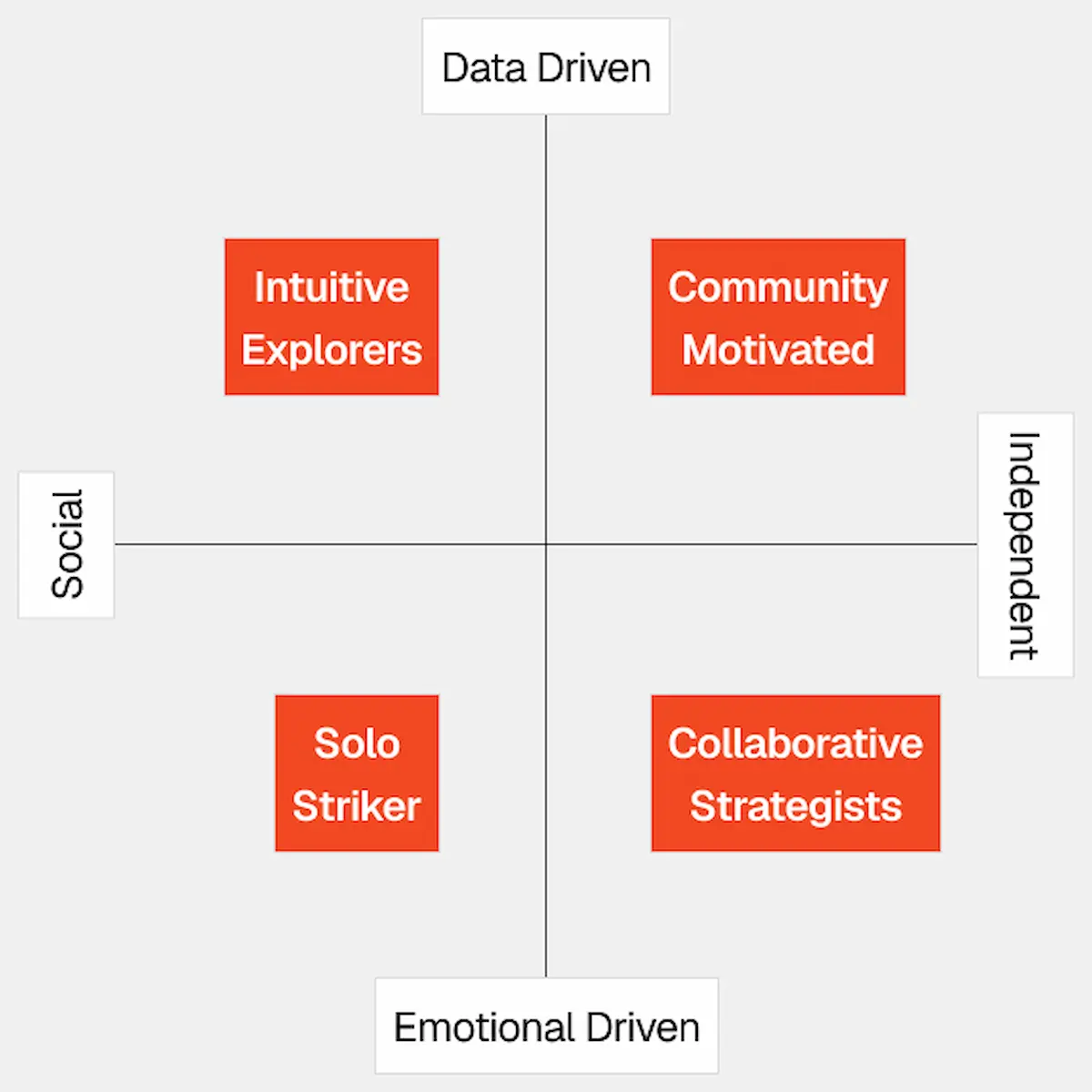
User Type
Community Seeker
A community-seeking runner is driven by the companionship and encouragement that comes from running with others. Without consistent access to running partners, they need an alternative that provides motivation, support, and reduces the loneliness of solo runs.
Storyboard

Alex isn't feeling motivated today. Feeling down and without friends to run with, Alex doubts whether to go at all.

Alex hears encouragement from the AI. It helps Alex push through the mental block and feel ready to start the run.
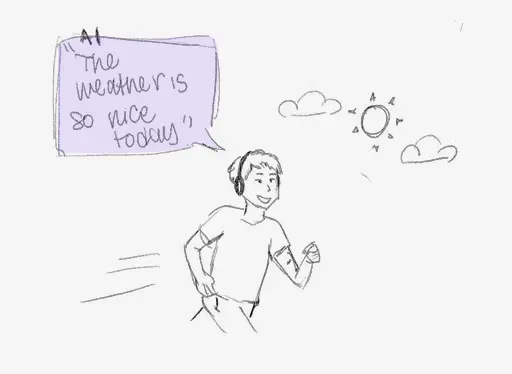
Alex feels supported throughout the run. The AI responds to Alex and provides companionship.
User Flow
Initial User Flow
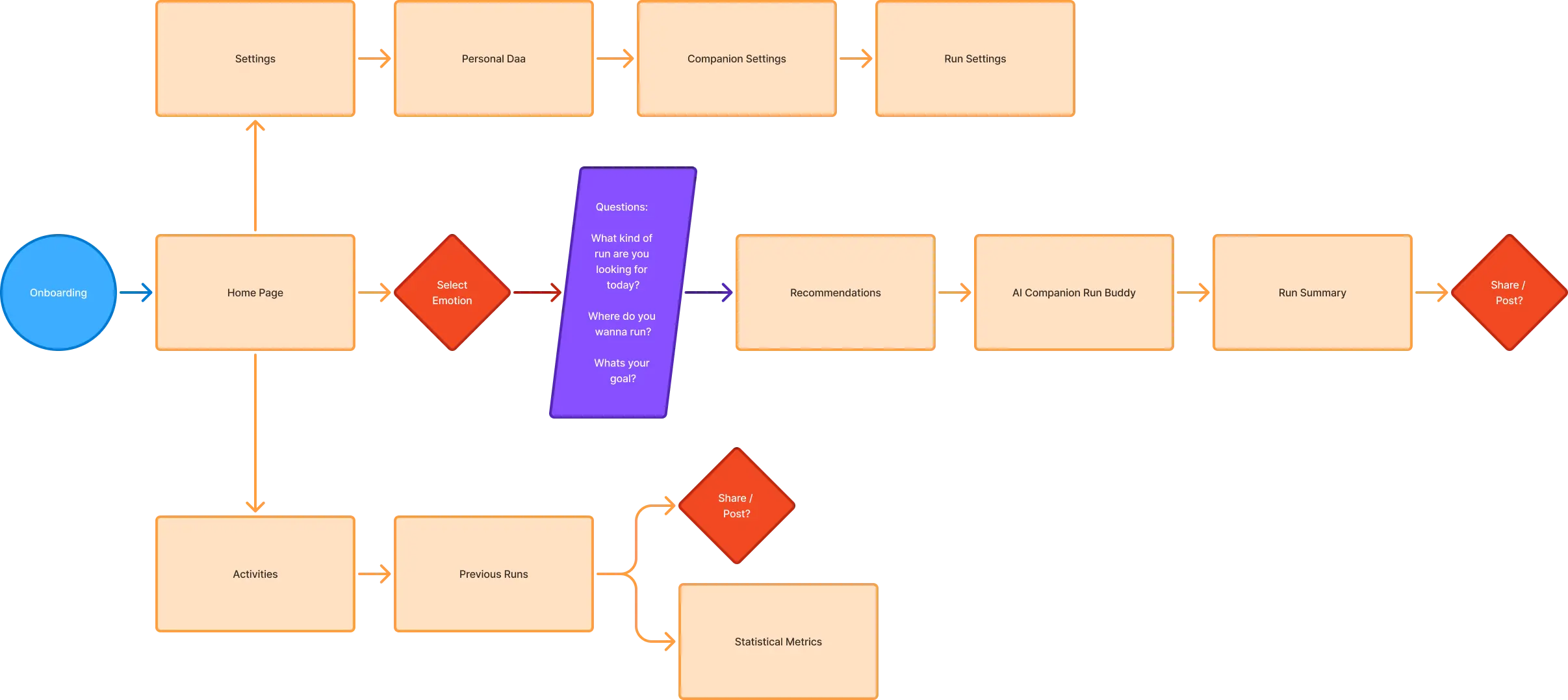
The initial flow consisted of a more complex process to start the run. Asking the questions before every run meant more spent time looking at the phone, not running.
Low Fidelity
Paper Prototype Sketches
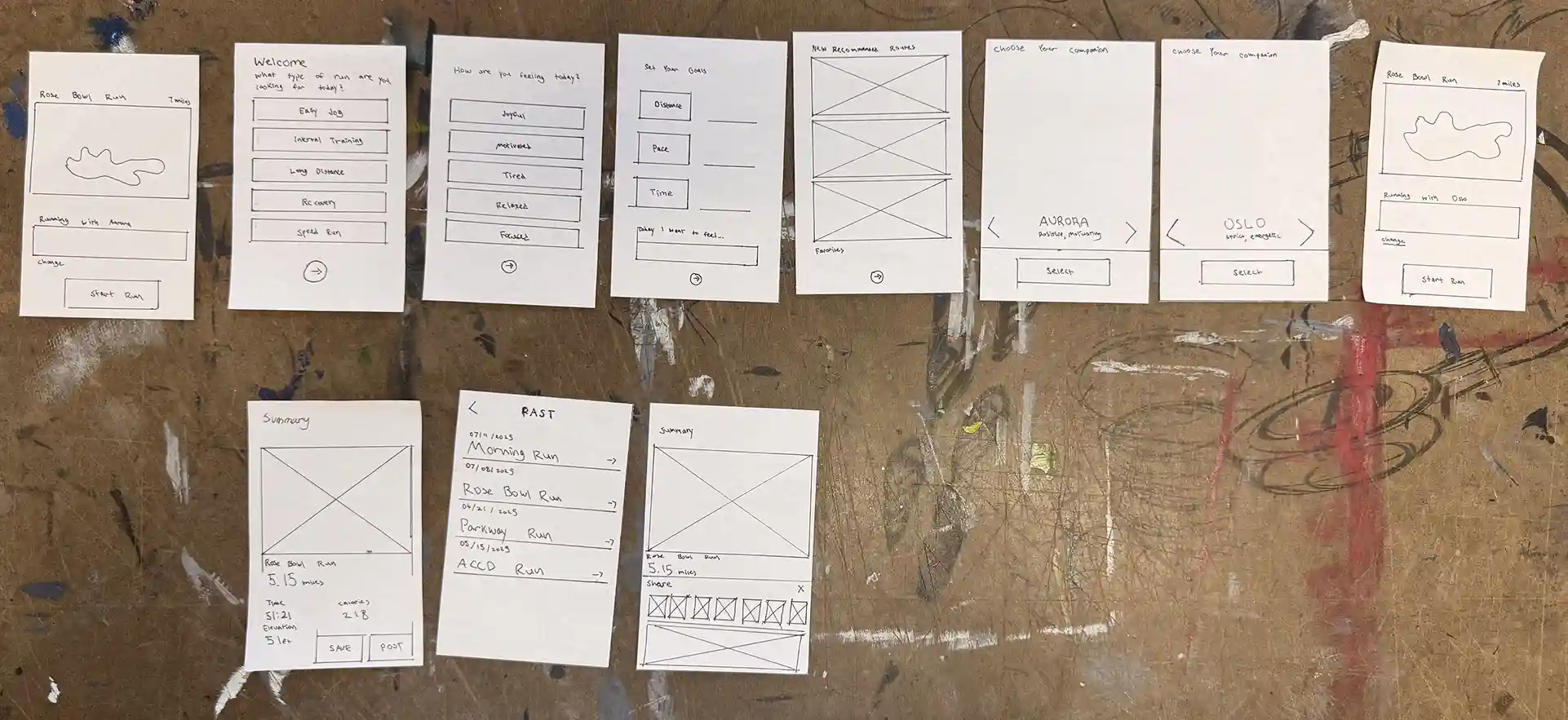
The low fidelity was sketched with the 3 core flows in mind. Changing the AI companion, customizing the running preference, and viewing saving / sharing your summary.
Paper Prototype Testing
We tested our 3 core flows through testing. By asking our participants to think out loud, we could clearly distinguish what was working and what was not.
Final Takeaways from Testing
Flow Efficiency
The user flow is too lengthy, with redundant steps that could be removed / shortened.
Mental Model
The sequence of actions doesn't match how runners naturally think about their experience
Visual Clarity
Screens need clearer visual hierarchy and stronger affordances to guide users
Future Changes:
Streamline pre-run setup into a single, fast flow
Restructure interaction to align with runner expectations.
Integrate mood, and coaching into the AI companion screen
Simplify interface to minimize cognitive load.
Mid Fidelity
Mid Fidelity Wireframes
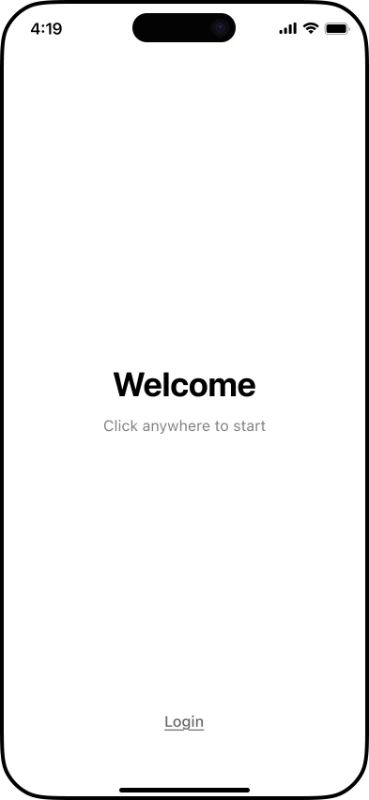
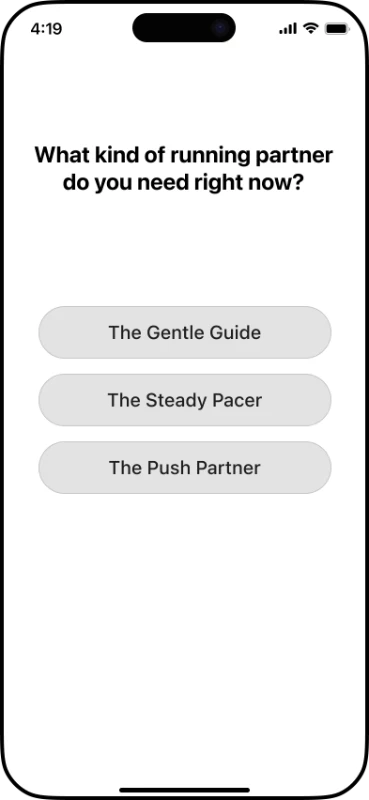
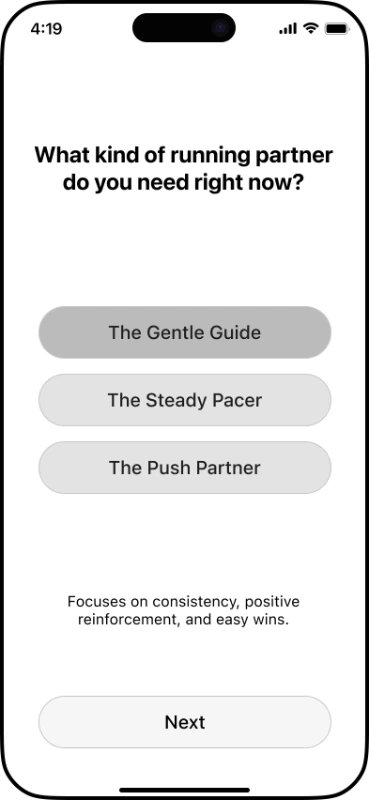
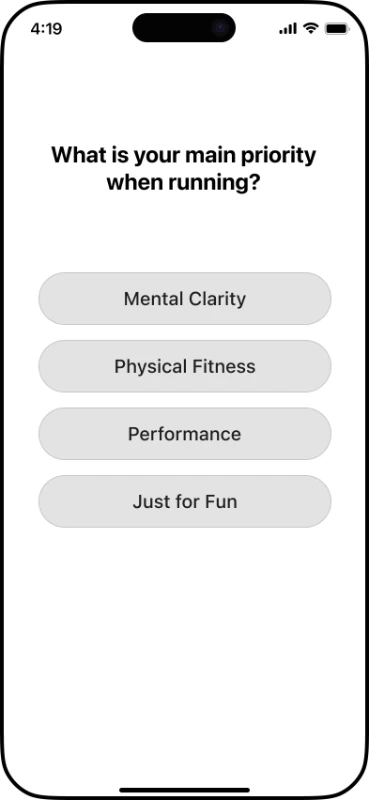
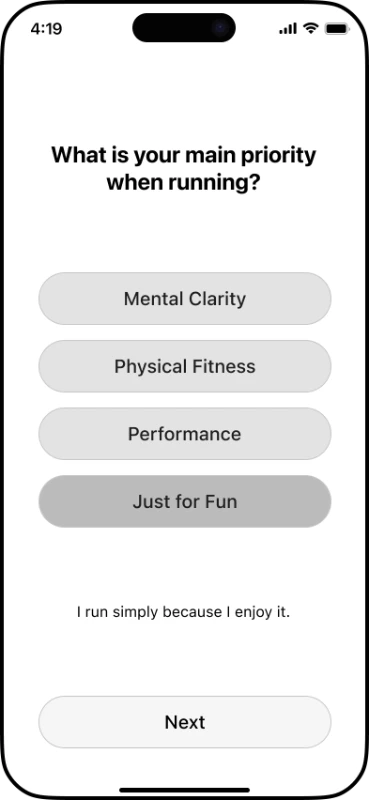
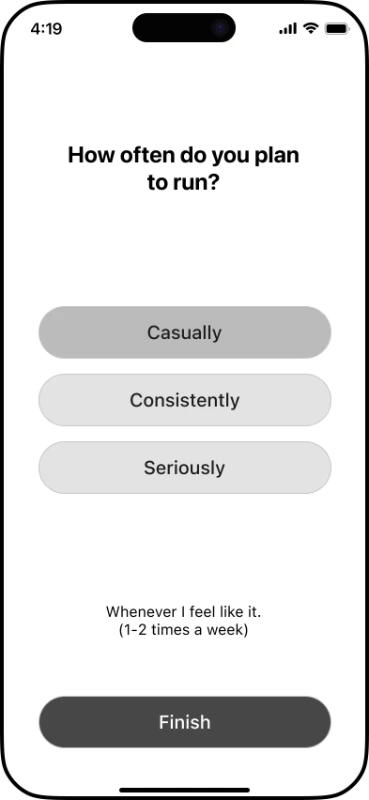
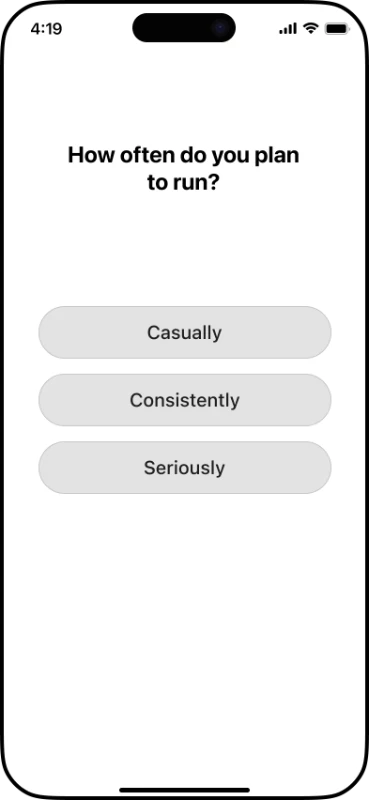

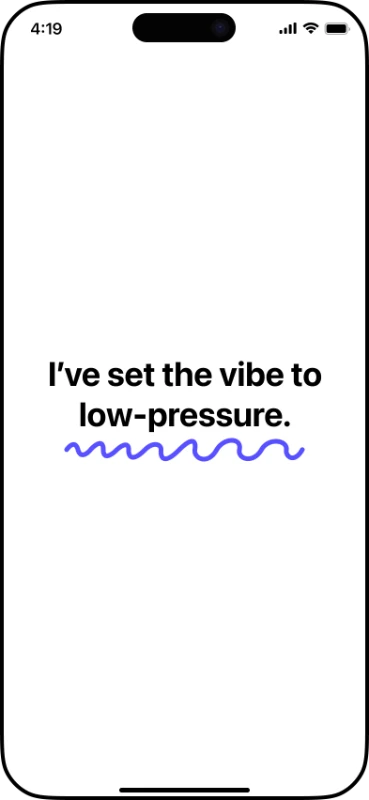
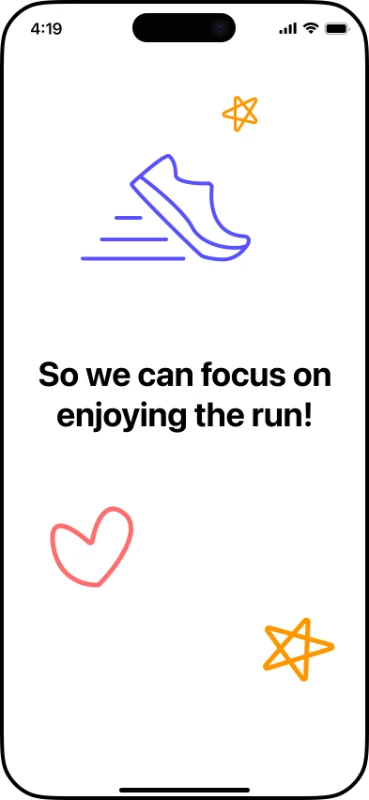
Onboarding
Moved pre-run setup into onboarding to create a single, streamlined flow that gets users running faster.
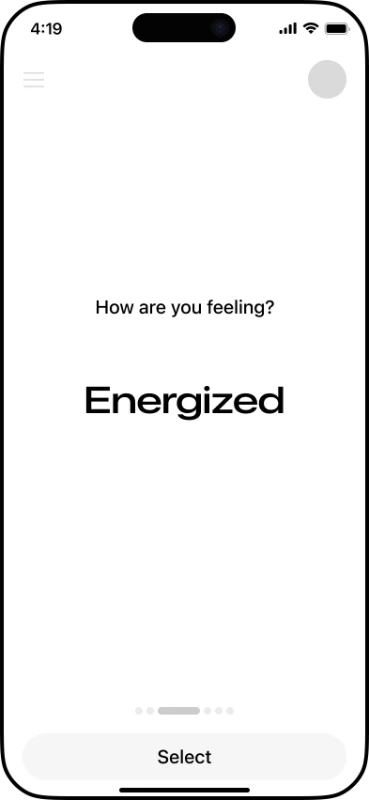
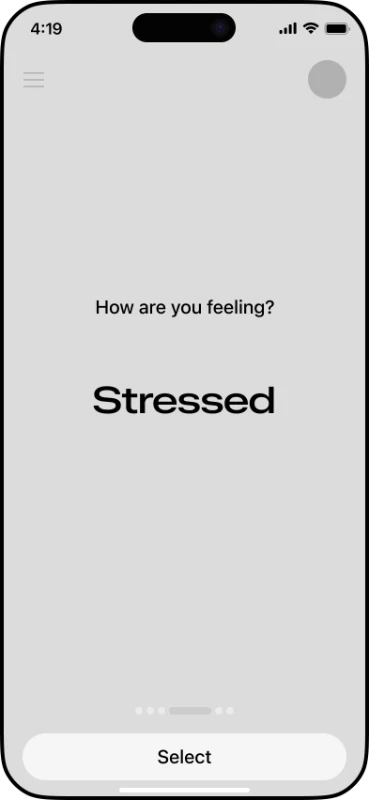
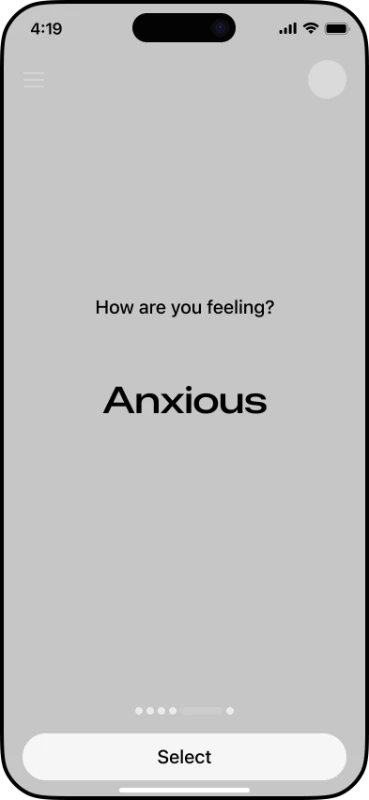
Choose Your Emotion
Simplified the interface to reduce cognitive load and prioritize emotional connection over data.
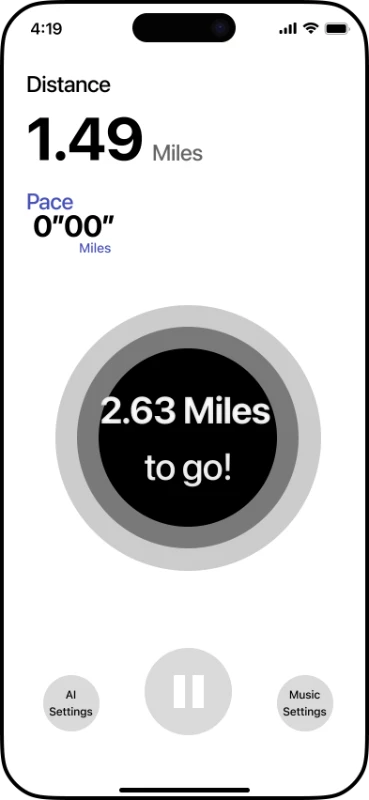
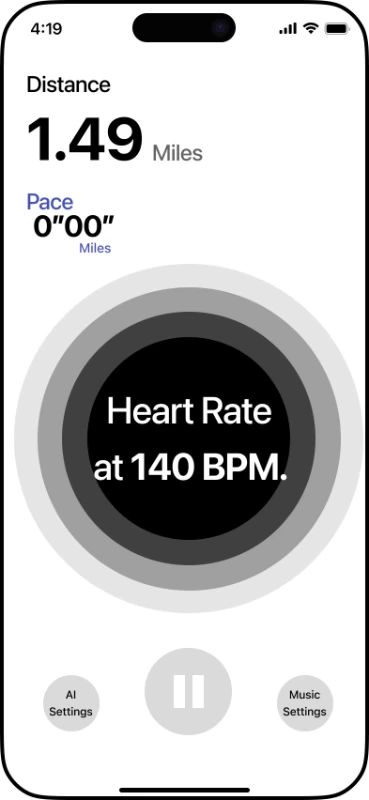
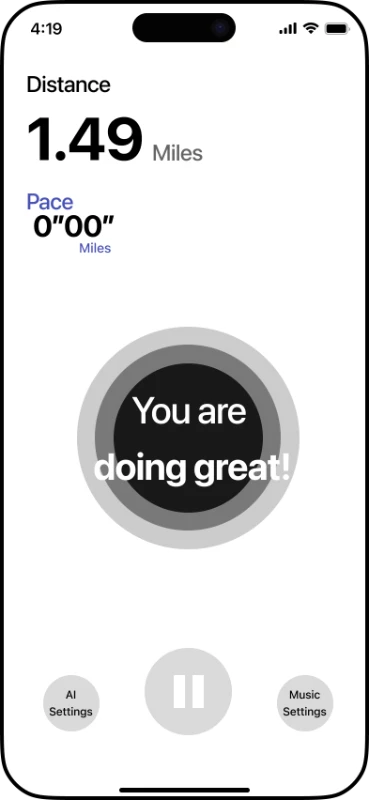
An Emotion-First Interface
Consolidated the running screen into one intuitive view that balances emotional support with essential metrics, integrating the AI companion seamlessly.
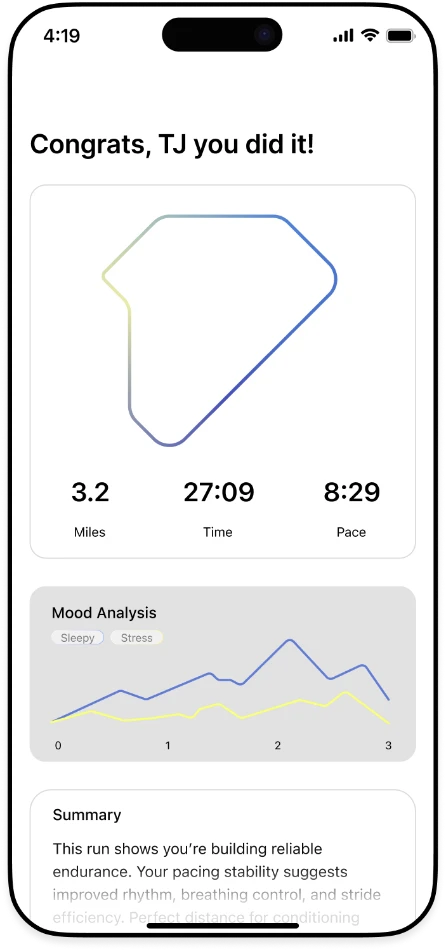
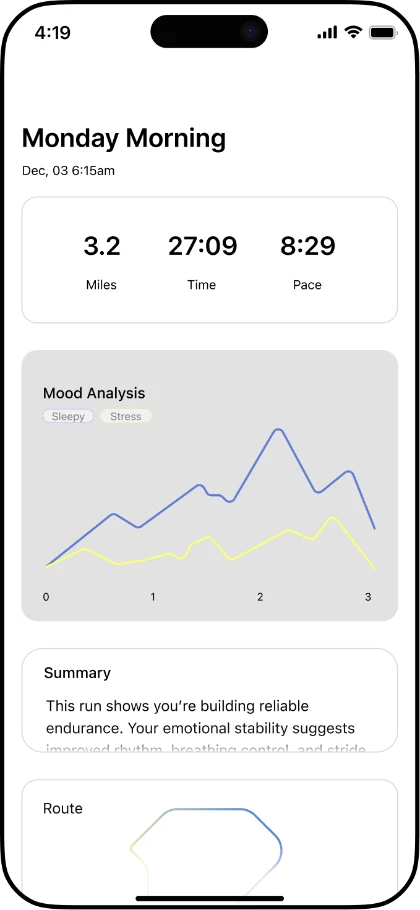
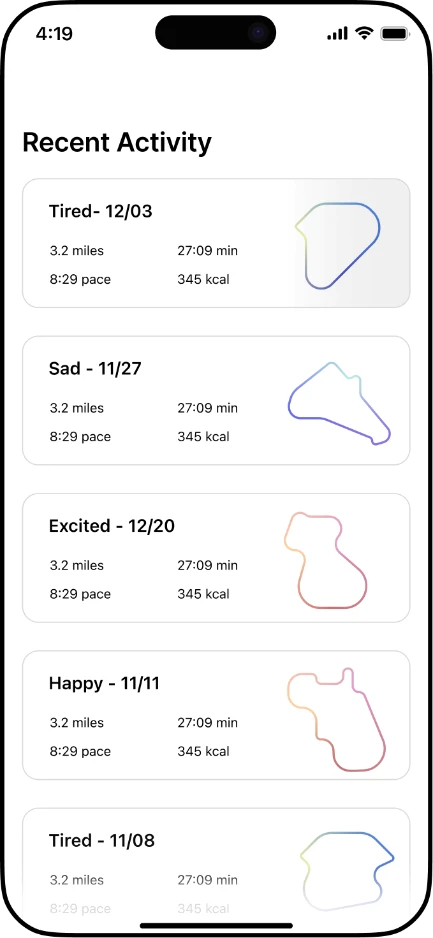
Simplified Activity View
Streamlined activity history with a simpler, more scannable view of past runs.
Mid Fidelity Testing
Mid-fidelity testing focused on validating layout structure, hierarchy, and the overall flow. This stage helped identify navigation issues and ensure the design framework supported user needs before committing to high-fidelity details.
David ***
Mathematics & Business Student
Nicole ***
Nursing Student
Final Takeaways from Testing
Onboarding
The onboarding feels bland and question-heavy, lacking the emotional warmth the app is supposed to provide.
Emotion Selection
The concept works but theres no instructions on what to do. There needs to be some type of question or guide.
Active Run Screen
Buttons are too small for running, text is hard to read, and the screen lacks navigation.
Future Changes:
Adjust onboarding with visual elements that better reflect the app's emotional, human-centered approach.
Provide clearer, contextual instructions throughout the experience to reduce confusion and improve usability.
Redesign the active run screen with larger typography and buttons, keeping it minimal while ensuring essential information is easily readable mid-run.
High Fidelity
Final Build in SwiftUI
Onboarding
Introduces users to the app and guides them through initial setup, establishing preferences and expectations for a personalized running experience
Emotion Selection
Allows runners to select their current mood, enabling the AI to tailor support, and coaching to match their emotional state.
Run Preview
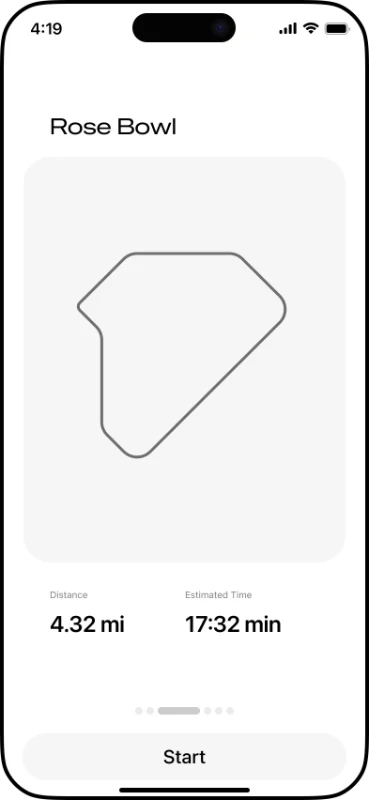
Displays the AI-generated run details. View your route, intensity, and distance giving runners a clear overview before they start.
Active Run
The main running interface featuring large, easily tappable controls for mid-run adjustments, alongside real-time emotional support and key performance metrics.
Activity History & Settings
Provides a streamlined view of past runs with easy access to settings, allowing users to track progress and customize their experience.